
GST
GST Return Filing Due Dates in India
A practical guide to common GST return due dates, filing discipline and records businesses should keep ready.
Last Updated: 1 July 2026
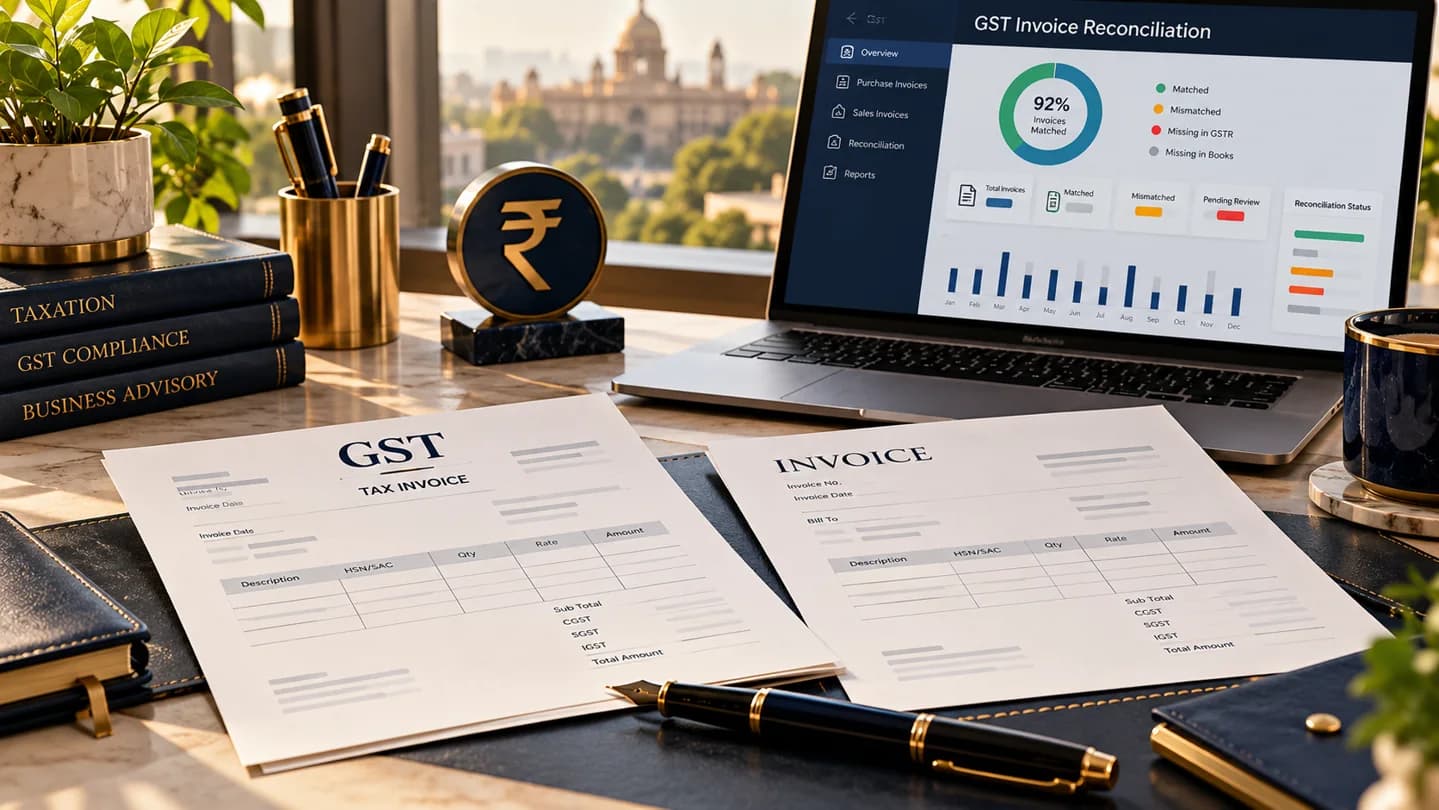
GST return filing is not only a portal task. It is a recurring compliance process that depends on timely records, reconciliations and review of outward supplies, input tax credit and tax payment positions.
For professional assistance, see GST Services.
Common GST return categories
The applicable return depends on the taxpayer's registration type and compliance scheme. Regular taxpayers commonly review monthly or quarterly return obligations, while some entities may also need annual return support.
The exact filing calendar should always be checked against the current GST law, portal status and official notifications.
Why due-date discipline matters
GST filings connect with input tax credit, vendor reconciliations, customer reporting and tax payments. Missing a return can create follow-up work across accounts, cash flow and compliance records.
Businesses should maintain a filing tracker that records responsibility, records received, return prepared, review completed, payment made and acknowledgement saved.
Records to prepare before filing
Before a return is filed, businesses should organise:
- Sales and purchase registers
- Tax invoices, debit notes and credit notes
- E-invoice and e-way bill information, where applicable
- Input tax credit reconciliation
- Tax payment challans and ledger balances
- Prior return acknowledgements and portal communications
Practical process
Start by reconciling books with portal data. Review any mismatch before filing, especially where input tax credit, tax liability or outward supplies may be affected. Keep working papers and acknowledgements stored in a consistent monthly folder.
For related tax reporting support, see Income Tax Services and Audit & Assurance Services.
FAQs
Frequently asked questions
Are GST due dates the same for every taxpayer?
No. GST due dates depend on the type of registration, return, filing frequency and applicable notifications. A taxpayer should confirm the current obligation before filing.
What records should be reviewed before GST return filing?
Sales invoices, purchase invoices, debit and credit notes, e-way bill data, e-invoice records, input tax credit details and portal statements are commonly reviewed.
Can missed GST returns create future compliance issues?
Yes. Delayed returns may affect late fees, interest, input tax credit reconciliation, notices and the ability to maintain clean compliance records.
Practical tools
Related calculators
Use these indicative tools to explore the figures connected with this topic before discussing your specific circumstances.
Downloads & resources
Practical resources library
Checklists, reference sheets and downloadable guides for this topic will be added here as they are prepared and professionally reviewed.
Professional guidance
Need Professional Assistance?
Discuss your specific tax, compliance or business matter with Rajiv Malik & Associates. We will help you understand the practical next steps based on your circumstances.
Contact the firmContinue reading
Related articles